Introduction: Staying Ahead in the Ad Game
The world of Google Ads is constantly evolving, with new features, bidding strategies, and targeting options emerging regularly. For Performance Marketers, staying on the cutting edge isn’t just an option – it’s a necessity to maintain a competitive advantage and ensure maximum ROI. This blog post explores advanced Google Ads strategies that are shaping the future of performance-driven campaigns.
Performance Marketing’s Evolution: Smarter, Faster, More Personal
Performance Marketing is becoming increasingly sophisticated, demanding advanced tactics to achieve breakthrough results and deeper insights.
- AI Integration: Automation and smart bidding are no longer optional but essential.
- Hyper-Personalization: Delivering highly relevant ads at scale.
Advanced Google Ads Strategies for Peak Performance
Beyond the basics, these strategies help unlock next-level performance and efficiency:
- 1. Leveraging AI-Powered Smart Bidding:
- Concept: Move beyond manual bidding. Google’s AI algorithms optimize bids in real-time based on a vast array of signals (device, location, time of day, user behavior) to achieve specific conversion goals (e.g., Maximize Conversions, Target CPA, Target ROAS).
- Benefit for PM: Drives more conversions at your target cost, automating complex real-time bid adjustments.
- 2. Advanced Audience Segmentation & Layering:
- Concept: Don’t just target keywords. Combine search intent with rich audience data (e.g., Custom Segments, Affinity Audiences, In-Market Audiences, Remarketing Lists) to reach the most valuable users.
- Benefit for PM: Narrows your focus to high-intent, high-value prospects, improving conversion rates and efficiency.
- 3. Dynamic Search Ads (DSAs) & Responsive Search Ads (RSAs):
- Concept:
- DSAs: Google automatically generates headlines for your ads based on content on your website, showing your ads for relevant searches without explicit keyword targeting.
- RSAs: You provide multiple headlines and descriptions, and Google’s AI tests combinations to find the best-performing ad copy for each search query.
- Benefit for PM: Uncover new keyword opportunities, save time on ad creation, and continually optimize ad copy performance.
- Concept:
- 4. Implementing Robust Conversion Tracking & Attribution Models:
- Concept: Go beyond basic “last click” attribution. Utilize different attribution models (e.g., data-driven, time decay, position-based) to understand the true impact of all touchpoints in the customer journey. Set up advanced conversion tracking for micro-conversions.
- Benefit for PM: Provides a more accurate picture of campaign effectiveness, allowing for better budget allocation and optimization.
- 5. Local Campaigns & Performance Max (PMax):
- Concept:
- Local Campaigns: Drive store visits and local actions.
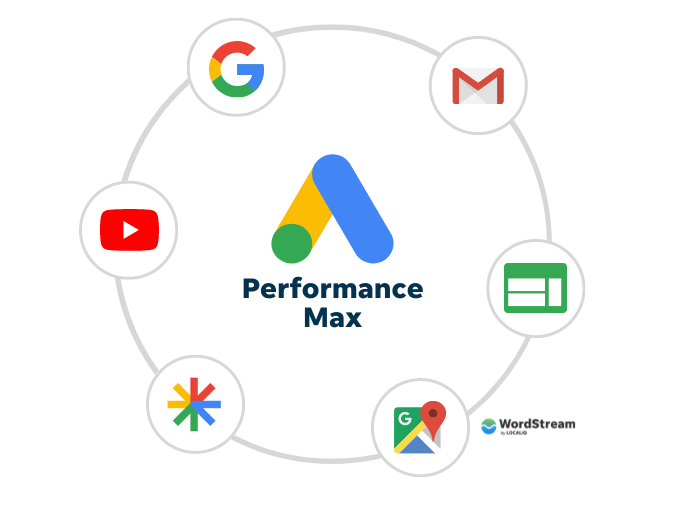
- Performance Max (PMax): A new goal-based campaign type that automatically runs ads across all of Google’s inventory (Search, Display, YouTube, Gmail, Discover) to maximize conversions based on your set goals.
- Benefit for PM: Centralized optimization across all Google channels, driving specific business goals with AI-driven efficiency.
- Concept:
Conclusion: The Evolution of Excellence
The future of Google Ads in Performance Marketing is about embracing intelligence, automation, and a holistic view of the customer journey. By integrating these advanced strategies, marketers can not only future-proof their campaigns against increasing competition but also unlock unprecedented levels of efficiency, scale, and, most importantly, deliver phenomenal ROI. The game has evolved, and so must your approach.
Stay ahead of the curve and master advanced Google Ads strategies for peak Performance Marketing with iiedm.com.